


EXPEDITION to blooming SOCOTRA
8 DAYS
16 PEOPLE
1990 EURO


8 days
1 group: 25.03 - 01.04.2027
there are places
2 group: 01.04 - 08.04.2027
there are places
DESCRIPTION
Socotra is one of the world's most isolated archipelagos of continental (non-volcanic) origin; according to one of the scientific hypotheses, it separated from Africa in the middle Pliocene (about 6 million years ago). The long geological and biological isolation of Socotra from the rest of the world has made it a unique place, home to several hundred endemic plant and animal species found only here. For this reason, the island of Socotra is included in the UNESCO World Heritage List.
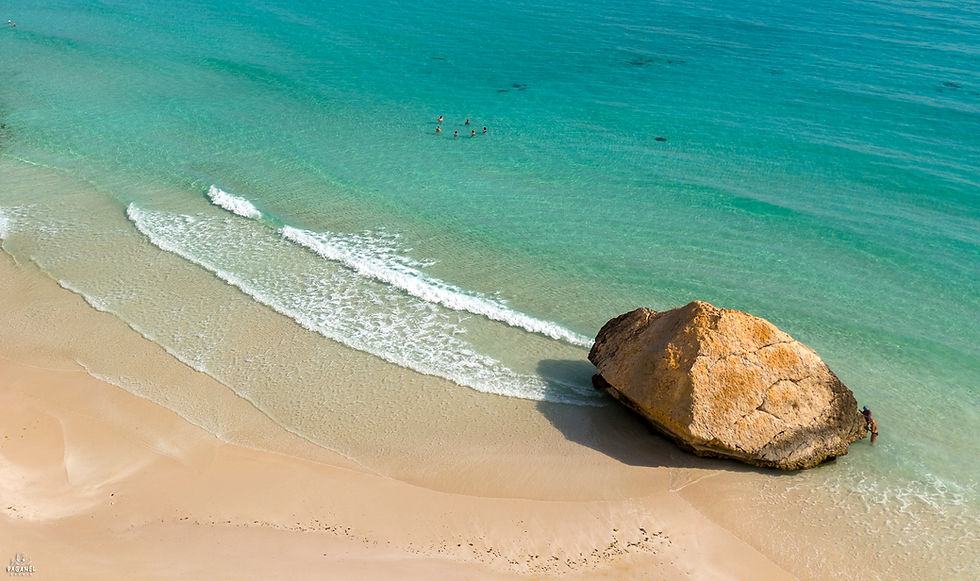
Seeing the unique natural diversity is the main goal of the Paganels' journey. There is an incredibly clean and beautiful Ocean, there are several gorgeous beaches in very interesting locations, there are mountains and trekking, there are beautiful white dunes, there are caves and unique dragon, bottle, incense, myrrh trees. And April is the period when bottle trees bloom all over the island! It will be very, very beautiful!

This place really needs to be seen by every self-respecting traveler. In recent years, due to the war in Yemen, entry to Socotra was closed, but since 2021 the situation has improved, regular international flights from Jeddah began to fly there, it became safe to travel, which we will use with you during a series of spring expeditions to these wonderful regions.

IMPORTANT!
Every traveler who is going to go to Socotra must clearly understand that there is NO normal service on the island, NO hotels, NO toilets with showers in all places of our campsite, only in some.
Accommodation during the trip, except for the last night, in tents. Each participant will be provided with an individual tent with a mattress and a pillow. We will move around the island in air-conditioned 4×4 Toyota jeeps.

Each car has 3 participants + a local driver. You will swim every day in the Ocean or local freshwater reservoirs. You will have a lot of sun, sea, sand, fish. You will be fed 3 times a day with a diet of rice, pasta, fresh fish, freshly baked flatbread.
This is the main thing you should be prepared for.

ROUTE
Jeddah ➙ Shu'ab Bay ➙ Diksam Plateau ➙ Firmihin Forest ➙ Omak Beach ➙ Hayf and Zahek Sand Dunes ➙ Dagub Cave ➙ Momi Plateau ➙ Homhil Plateau ➙ Homhil ➙ Rosh Bay ➙ Arher Sand Dunes ➙ Erissel ➙ Hadiboh ➙ Jeddah
-
tourist visa to Yemen (200 USD);
-
rent of tents with mattresses and pillows according to the route of the expedition (1 tent for 1 person);
-
rental of the necessary camping equipment;
-
rental of air-conditioned expedition jeeps with drivers;
-
fuel;
-
all permits and permits;
-
all excursions according to the program;
-
3 meals a day according to the program;
-
last night before departure at an airport hotel;
-
services of local drivers, cooks, guides, boatmen, fishermen;
-
services of a local professional English-speaking guide;
-
services of English-speaking guides of the Paganel Studio team.
-
flight to Jeddah and back;
-
the cost of the flight Jeddah - Socotra - Jeddah (1000 euro);
-
Visa to Saudi Arabia (110 USD)
-
tips for local guides and drivers (about 90-100 USD/per person);;
-
personal insurance;
-
additional meals not included in the program.
Day 1
(25.03) (01.04)
We are going in the morning at Jeddah airport for an early check-in. We recommend flying to Jeddah in the evening and spending the night so that you have time to rest.
Flight lasts about 2 hours to Socotra Island. Passage of border and customs procedures. We meet with a team of local guides and drivers, split into cars and immediately drive to the west of the island to the beautiful Detwah beach area, where in the afternoon we camp (drivers and local guides help set up tents, spread out mattresses and your things). We have dinner and swim in the vast and clear Ocean.

Closer to sunset, if there is time, we will make a short trek to a nearby mountain to take pictures of flowering bottle trees against the backdrop of the bay.

In the evening, after dinner with crabs and fresh fish, we gather for a traditional meeting - acquaintance.

Presentation of expedition T-shirts and badges. Relaxation.
Day 2
(26.03) (02.04)
No matter how much you would like to sleep longer, but as soon as the morning sun comes out, it becomes noticeably hot in the tent and everyone gradually wakes up. At about 6 in the morning we get up, wash ourselves, clean feathers, have breakfast. We take bathing accessories, towels, hats, cameras, sun cream. We dismantle the special sun protection beach umbrellas that we have prepared for you. We load into our jeeps and drive to a nearby village where boats are waiting for us. We move towards a wild uninhabited bay and Shu'ab beach.

Along the way, with a very high probability, we will meet large schools of cheerful dolphins, who love to play in the mornings in these waters. We go by boat along the coast for about 30-40 minutes with stops to take pictures of local birds and beautiful views.

On Shu'ab beach we set up our umbrellas and go for a swim in the crystal clear water. We appreciate the cleanliness of this heavenly place.

Relaxation, a good tan and clear sea, what else is needed for happiness? After swimming and resting, we load into our boats and return to the fishing village, from where we started in the morning.

You can take pictures of the life and life of local residents. It is quite bright and interesting here.

We arrive at the camp in our jeeps and have lunch, then head out for a walk to a cave where a solitary, reclusive old man lives, making his living by catching crabs and octopuses.

After a day full of walking, we return to our camp for some rest and dinner.
In the evening, we'll gather around the campfire, enjoy a cup of tea, and share the highlights and emotions of the day.
Day 3
(27.03) (03.04)
We pack up the tents, load everything into the jeeps, and make sure nothing is left behind. Then we set off toward the mountains. The drive takes about three hours. Our destination is the Diksam Plateau. This is where the famous dragon’s blood trees of Socotra grow.

On the way, we make several stops to take photos of this amazing place.

We arrive at the camp site. We pitch our tents and unpack our things. Our field kitchen begins to prepare for dinner.

One of the most famous endemic plants of Socotra, its symbol is Dracaena cinnabari (Dracaena cinnabari), which looks like a mushroom up to 10 meters high with a green cap. It is known as the Dragon Tree.
Before dinner we go for tea to a family who lives not far from our camp. They have a small nursery of dragon trees.

According to an old Indian legend, a bloodthirsty dragon once lived in the Arabian Sea on the island of Socotra, attacking elephants and drinking their blood. But one day, a wounded, dying elephant fell on the dragon and crushed it - their blood was mixed and wetted the ground around. At this place grew trees called dracaena, which means "female dragon". The Arabic name for the plant is dam al-ahawein ("blood of two brothers"). This name is associated with the legend of the struggle between two brothers.

At sunset, we take many pictures, admire the unique beauty of these unusual trees, which are preserved only here in Socotra. We have supper. We rest a little. When the night comes into its own completely, and if the weather allows, then we go to take photos of the night sky in the dragon forest.

After such a rich day of impressions and variety, you are guaranteed a deep sleep. Relaxation.
Day 4
(28.03) (04.04)
The sun is up and it is time for us to wake up. Brush your teeth, wash your face, have a quiet breakfast. Taking morning photos-masterpieces in the grove of dragon trees.

We collect tents, pack our bags, put everything in jeeps. We make sure we have not forgotten anything. We advance on our off-road vehicles along a difficult mountain road down the Derhur gorge towards the forest of dragon trees Firmhin.

On the way we stop for a short walk. In this place the dragon trees are especially large and in some places cohabit with bottle trees.

The dragon tree is found only in the foothills and mountains - usually at an altitude of at least 500 m above sea level, and mainly at an altitude of 1300 to 1600 m above sea level. Since ancient times, the juice of the plant, "dragon's blood", was obtained by tapping - the periodic application of special cuts on the trunk of a tree during its growing season. The first mention in the literature of dragon's blood obtained from this type of dracaena is found in the anonymous nautical manual "Periplus of the Erythrean Sea" (1st century AD). Giving a description of the island of Dioskurids (Socotra was known to the ancient Greeks under this name), the author wrote that there is "cinnabar, called Indian, collected from trees in the form of drops." Locals cut the trunk of the "dragon tree" with a knife and, after enough red gum has flowed out of the cut, break off the resulting clots and collect them.

This resin is of great importance for the local population, being actively used both as a medicine (including in veterinary medicine) and as a cosmetic product. For medical purposes, the resin is used to heal wounds: grind it into powder, sprinkle wounds or bites with it; as an external anti-inflammatory agent, such a powder is used by mixing it with water. This powder is also mixed with hot milk and drunk to restore strength during bleeding. In addition, "dragon's blood" is used for pain in the stomach. For cosmetic purposes, women use it to soften the skin of the face, as well as to color the skin and nails (similar to how henna is used for these purposes in other regions).
A certain amount of "dragon blood" is traditionally exported abroad through Aden. There, this gum is used to make toothpastes and powders, as it strengthens the gums, as well as in pharmaceuticals.

Next, we move to the South of the island towards Omak beach. On the way, we stop at a local village to buy fresh fish for lunch and see how people live here, sandwiched between sand dunes, mountains and the Ocean.

For lunch, our chefs and drivers will set the tables for the Paganels in the shade of a palm grove on the shores of a large sandy beach. We eat, rest.

In the afternoon we move to the large dunes of Hayf and Zahek.

Before the sun sets to the great dunes of Hayf and Zahek, our camel drivers called by us will arrive with a team of camels. You will have the unique opportunity to optionally ride the majestic dunes to the Ocean, and take one more portion of masterpiece photos for instagram.

We meet the sunset. We load into our jeeps. We go to the camp near the palm grove, where we have already set up tents for us and prepared dinner. Evening swim in the ocean. Relaxation. Dream.
Day 5
(29.03) (05.04)
We wake up. We wash ourselves. We bathe. We have a quiet breakfast and pack up camp. We put on trekking shoes and load into jeeps. Short drive to Dagub cave. Little walk. If you wish, you can drink tea in silence and listen to the singing of birds living under the arch of the cave.

Then we move back to the mountains. In the first half of the day we drive to the Momi plateau. We get to a special parking place, from where we go on a 40-minute trek to the amazing place Kalysan which is famous for its natural pools and fresh water cascades.

We bathe. We enjoy the amazing atmosphere of the mountain gorge and some space views around.

This narrow gorge is famous for its emerald-turquoise natural pools, formed by fresh springs and seasonal rainfall. The water is cool and crystal clear.

We return to our jeeps, where the team of cooks has already prepared a delicious lunch. We eat. We rest a little. We loaded into jeeps and continued our way through the mountains. Now we have to get to the Homhil plateau. The road is very beautiful. We stop a lot and take pictures of bottle trees growing and blooming here. We will also meet incense, dragon and myrrh. Those who wish can buy incense and dragon blood from local residents right on the road.


Next, we rush to our favorite place on the island of Socotra, to the famous large white dunes of Archer. This is an unusual piece of the island and we will spend the next couple of days here.

The juiciest photos on the snow-white dunes are taken here at dawn and 2-3 hours before sunset, until the sun has crossed the mountains. It is in the evening that you can achieve unusually beautiful photographs on the play of shadow and light.

Therefore, we let our kitchen food cart go forward so that we can go and set up camp, and we ourselves are doing an important thing - taking cosmically beautiful photographs.

Having walked to our heart's content, immediately after the sun has passed over the mountains and the dunes have sunk into shade, we drive to our camp. We set up tents. We bathe. We enjoy the evening coolness in the shade of the mountains and the never warming white dunes. Dinner. Relaxation. Dream.
Day 6
(30.03) (06.04)
Those who want to meet an incredible pink sunrise on a large white dune get up about an hour and a half before dawn and go trekking to the top of Archer. It will be very beautiful and epic.

It will be very beautiful and epic. This mesmerizing view is definitely worth all the effort to get here.

The rest are catching up on sleep. After the sun warms up, they reluctantly crawl out of their tents and go swimming in the warm morning waters of the ocean. They wash themselves in the fresh river that flows from the mountains past our camp.

After returning to the camp of those who met the dawn on the dunes, we have breakfast and swim in the ocean again.
After lunch we drive to Erissel, the meeting point of the Arabian Sea and the Indian Ocean, the easternmost tip of the island and a traditional fishing village of the same name. Here we will be hosted by a local family: we will drink aromatic tea, chat and learn more about life on Socotra.

Together we see off the sunset - the sun will slowly sink below the horizon, painting the sky and sea in golden and pink tones. It will be a calm and beautiful end to the day.

We return to our campsite. We swim. We rest. Dinner. Sleep.
Day 7
(31.03) (07.04)
We wake up early, take everything for trekking, flashlights, and if we have them, trekking poles, load into our jeeps and drive for about 30-40 minutes to a special parking lot, from where we will begin our trek to the Hoq Cave.

The path to the cave is very beautiful and goes through a forest of bottle trees, which are scientifically called "Adenium obesum" and whose flowers range in color from red to pale pink. In many languages, the literal translation of the plant's name means "desert rose".

Hoq Cave is the most famous karst formation on the island. It is over 3 km long. During several scientific speleological expeditions in the 2000s, traces of very ancient sanctuaries and resting places for pilgrims were discovered here.

The total trekking time there and back will take us about 3-4 hours. The ascent distance is about 2 km and the elevation gain is 300 meters.

Returning to the car park, we return to our camp at the Arher dune.
We wash ourselves slowly. We swim. We observe the life of local crabs, who build their tower-houses around.

We pack up our camp. We load into jeeps. We head towards the capital city of Hadibo.
On the way to Hadibo we visit the coral beach Di Hamri, which is the best place on the island for diving and snorkeling. However, when entering and exiting the sea, take care of your feet, because there are many sharp corals on the shore.

After lunch in the palm grove we leave for the terrible littered Hadibo. We visit an incense and honey shop. Anyone who wants to see the local dumps and the life of Hadibo residents in its unsightly form can fully satisfy their demand.

After a walk along the central streets, we go to the airport area, where we check into the only decent hotel by local standards. The rooms are double for couples, or individual for solo participants. It is quite clean here, the rooms have a toilet with a toilet, shower, air conditioning and a bed with a clean sheet and pillow :). We wash ourselves. We comb the sand out of all the cracks. We prepare for tomorrow's flight home.
Farewell dinner at the hotel (prepared by our chefs). Rest. Sound sleep on clean sheets.
Day 8
(01.04) (08.04)
We usually wake up early. We have breakfast at the hotel. We collect suitcases. We load into jeeps that are already waiting for us. We get to the airport. We say goodbye to our drivers and local guides, do not forget to leave them a tip. Saying goodbye to our beloved island of Socotra.
We check in. We hand over our luggage. Departure to Jeddah, arrival. New check-in and flight home. We say goodbye to each other. Tears of parting. Expedition is finished...

We are unique
For many years, we have been traveling the world to our small planet's most remote and unusual places. We do not use the services of domestic travel agencies. The trips we invent and carry out are always unique and have their unique zest, charm, and adventurous spirit.

WHY WITH PAGANEL?
Creation
The first thing that interests us is creativity in everything. During the expeditions, we shoot a lot of videos, take pictures, write stories, draw pictures. If you are interested in a creative approach to life and travel, then WELCOME... we are very happy to meet you!

Interest
By joining our team, you join a kind of club-family, which already consists of several hundred people who are interested in discovering the world with us.

Since most of the expenses for the organization of the trip are air tickets and travel documents for other types of transport, accommodation, excursions, services of local companies and guides, etc. are not refundable in case of your cancellation of the trip. We simply have no way to return it.
.png)